
Bees Bees Bees are so much in need! Now is the time to Bee Better! We wouldn’t be able to enjoy the amount of apples, pumpkins, strawberries, blueberries, and almonds that we do without these pollinators. Over 30{407a2bee366bc78ac361b70c955edc3c866eec308e170d99d378428bda1c5442} of the food and drinks we eat and drink on a daily basis depend on or benefit from a pollinator. Bees pollinate the seed that cows graze on to maintain the supply of alfalfa and clover.
Pollinator decline would have a detrimental impact on farmers and consumers alike. As lesser quality products and lower agricultural yields would result. Furthermore, a number of vital nutrients, like vitamin E, found in food pollinated by insects are present in these foods. Not only would a world devoid of pollinators provide us fewer food options. It would also be much more difficult to obtain the nourishment we require to thrive.
Variety of Pollinators:
Among the crop pollinators are flies, butterflies, and beetles. The variety of natural pollinators is astounding. They come in more than 20,000 different species worldwide, with over 3,600 native species found in the United States alone.
Almost all continents have bee species (with exception of Antarctica), numbering about 20,000.
In addition to keeping ecosystems functioning properly and ensuring that natural places are home to a variety of plants, pollinators also aid in the production of nuts and seeds that draw in and support other animals.
The Decline In Pollinators: Bees Bees Bees
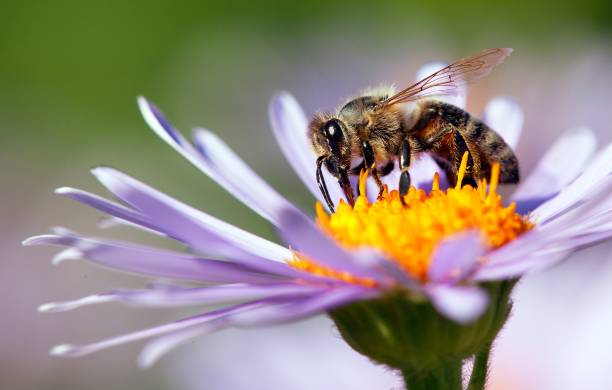
Many regions of the world are experiencing a fall in pollinator numbers, which poses a threat to agricultural output and the wellbeing of natural ecosystems.
Over the last 10 years, there has been a significant increase in the number of domestic honey bee colonies lost annually in the United States; beekeepers are currently losing more than thirty percent of their hives each year.
But perhaps things are worse for native pollinators. Many of the native are not managed therefore, many native species of bees are in danger of going extinct. Scientists speculate that a number of factors, especially the quick changes in the environment over the past three years, may be to blame for this reduction.
Endangering Pollinators:
Significant decreases have also been observed in the number of butterflies in the United States. For example, numbers of the famous monarch butterfly have declined by 60-74{407a2bee366bc78ac361b70c955edc3c866eec308e170d99d378428bda1c5442} east and west of the Rocky Mountains.
Among the things threatening pollinators and our ecosystems include illnesses, pesticide use, habitat loss, alteration, and fragmentation.
Misunderstandings: About Bees Bees Bees
Are they all hostile? The majority of them live alone, don’t protect their colony, and only sting when pressured, such when they’re pinched between fingers or in clothing. When they produce honey huge colonies that frequently warn before they sting, causing their bodies to brush into the irritation. When humans approach a honey colony, they become more hostile.
Do they give you multiple stings? The only bee species that have barbed stingers are honey bees. Frequently, the stinger becomes stuck in the skin and tears off the bee’s abdomen, killing it. Since these species lack barbed stingers, a single individual may sting more than once. There are other kinds of information is only some of what is out there.
Types of Apians:
In the spring, carpenters mate after hibernating during the winter. The mated females make tunnels out of wood in which they lay their eggs in six to eight chambers. New adults hibernate in tunnels, emerge in August, and forage in preparation for winter.
Human spaces, like barns and woodsheds, may be home to carpenter (stingers). Males that monitor the area surrounding nests have a whitish-yellow marking on their faces. In contrast to males, females are rarely able to sting, often confused for bumblebees. People that enter their domain are frequently approached by the males in an aggressive manner.
Leafcutter Bees: In their nests, leafcutter apians utilize the circular shapes they cut from leaves. Most species use wood, soft or hollow stems, the earth, or any hole they can locate (such as holes in concrete) or easily excavate to make their nests.
Leafcutter apians use the underside of their abdomens to gather pollen, just like the mason ones do, like many other apians do. The majority of species are solitary, with each female building her own nest.
Food for the growing bee is contained in a separate chamber within each egg. In the majority of species, freshly matured adults hibernate until the spring or summer of the following year. And if you want to see more about the different types of bees. Check them out here.
Carpenter Bees: They are are solitary insects that lay their eggs in wood, much like bumble apians. Big carpenter ones are easily recognized by their size and glossy black abdomen. It is typical to find the Eastern carpenter bee (Xylocopa virginica).
Social and Diverse Pollinators in the Apidae Family:
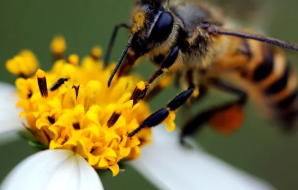
Honeybee: They are the principal pollinator for more than 80{407a2bee366bc78ac361b70c955edc3c866eec308e170d99d378428bda1c5442} of global crops. yields propolis, royal jelly, honey, and wax.
Social Structure: Drones, workers, and a queen make up Eusocial.
Noteworthy: Extremely versatile; domesticated worldwide. used for commercial pollination of berries, apples, almonds, and other crops.
Bumblebee: Outstanding pollinators of deep-flowering, cold-weather crops, such as peppers and tomatoes (buzz pollination).
Social Structure: Small groups of bees (50–400).
Noteworthy: Perform in cooler climates than bees. The loss of habitat is causing many species to decline.
Megachilidae Family – Efficient Solitary Pollinators:
Mason Bees: Vital for pollination in the early spring (fruit trees, such as plums, cherries, and apples).
Social Structure: Unsociable
Noteworthy: An acre of apple trees may be pollinated by 250 mason bees, which is significantly more effective than honeybees.
Andrenidae Family – Ground-Nesting Spring Pollinators:
Mining Bees: Significant native pollinators of plants that bloom in the spring, such as blueberries, maples, and willows.
Social Structure: Unsociable
Noteworthy: Certain species are only able to pollinate specific blooms.
Halictidae Family – Sweat and Social Solitary Bees:
Sweat Bees: Pollinators of crops, including sunflowers, onions, and carrots, as well as wildflowers.
Social Structure: Either eusocially primitive or solitary.
Noteworthy: Drawn to salt from human perspiration. Some are blue or green metallic.
Colletidae Family – “Cellophane” Bees:
Polyester Bees: Fruit tree pollinators as well as several spring ephemerals.
Social Structure: Alone
Noteworthy: Their secretions shield their young from infections and wetness like plastic wrap.
Melittidae Family – Rare & Specialized:
Pollinate certain plants, such as legumes and heather.
Social Structure: Alone
Noteworthy: Largely reliant on local plant populations. Vulnerable by specialization.
Throughout life I didn’t realize their importance. I always stayed away from bees as much as possible, afraid of getting stung. As I was doing the research for “Bees Bees Bees, ” I learned a lot more of information on the subject. Not that they just sting but for example every bee has a job.